


 Spanish
 Russian
 Arabic

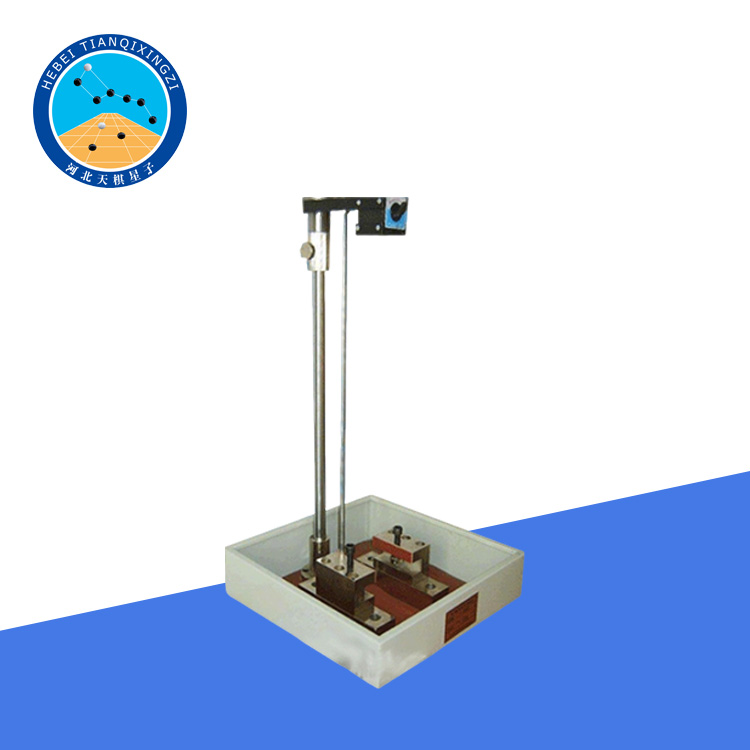

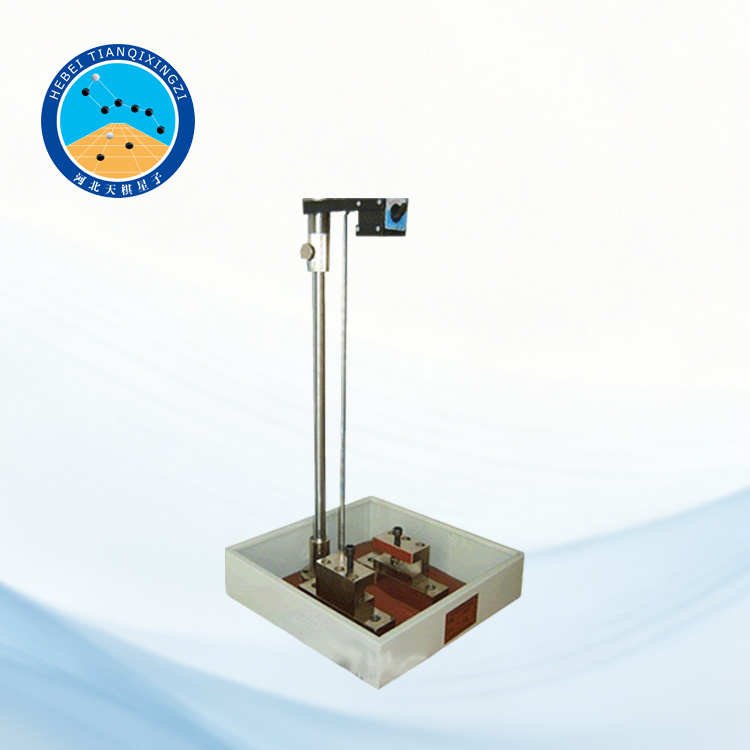
Products Description
The asphalt-aggregate low-temperature adhesion tester is used to evaluate the adhesion performance and anti-stripping ability between asphalt or modified asphalt and aggregate under low-temperature conditions (usually -18℃). It determines the percentage of aggregate that falls off the asphalt surface through impact testing and is widely used in highway engineering testing, material research and development and quality control.
Low-Temp Asphalt–Aggregate Adhesion Tester
Model:TD660-1
I. Product Overview
The TD660-1 Asphalt and Aggregate Low-Temperature Tack Tester is a specialized testing device for evaluating the bonding performance between asphalt (including modified asphalt) and aggregates under low-temperature conditions.
This instrument is designed and manufactured according to the method of T0660 "Low Temperature Adhesion Test of Asphalt and Aggregate" in the People's Republic of China industry standard JTG 3410-2025 and references ASTM D3625, while also being compatible with national standards and relevant petrochemical industry testing requirements.
The equipment evaluates the bonding performance between asphalt and aggregates by measuring the proportion of aggregate that detaches from the asphalt surface through impact testing at low temperatures (typically -18℃).
II. Technical Parameters
Standard Test Steel Plate: 200mm × 200mm × 2mm (Frame height 8mm, width 5mm)
Standard Steel Ball: 500g ± 1g
Steel Pads: 2 pieces (length ≤ 200mm)
Drop Height: 500mm
Power Supply Voltage: AC 220V
Standard Test Temperature: -18℃
III. Test Procedure
1. Preparation
1.1 Erect the iron frame according to Figure T0660-1. Place two cement concrete blocks under the small platform of the frame. Fold the edges of the steel plate against the blocks. Adjust the height of the iron frame platform to 500mm from the surface of the steel plate. The position of the steel plate should ensure that a steel ball dropped from the small platform lands precisely in the center of the plate. This position must not be moved after adjustment.
1.2 Sift the crushed stone through 4.75mm and 9.5mm standard sieves. Remove 100 stones with a nearly cubic shape from the 4.75mm~9.5mm size range. Wash them with clean water, dry them in an oven at 105℃, and then store them in a desiccator for later use.
1.3 Preheat a 200mm x 200mm steel plate in an oven at 105℃ ± 5℃.
1.4 Heat the asphalt according to the asphalt sample preparation method in specification T0602; then remove the steel plate, place it on a platform, and immediately pour 40g of asphalt into the steel plate to make the asphalt thickness 1mm. At this time, care should be taken to ensure the steel plate is not tilted to prevent the asphalt from flowing to one side. Keep the steel plate still and allow it to cool at room temperature. Evenly place 10 rows of 10 stones each, for a total of 100 prepared crushed stones, on the plate. The spacing between the stones should be roughly uniform, and the distance from the edge should not be less than 10mm.
1.5 Place the steel plate and the arranged crushed stones together in a 60℃ oven for 5 hours to ensure good adhesion between the crushed stones and the asphalt. Then place it in a -18℃ refrigerator to cool for at least 12 hours. If a dedicated refrigerator is unavailable, the freezer compartment of a household refrigerator can be used instead.
2. Test Procedure
Take the steel plate out of the refrigerator and place it on the cement concrete block as shown in Figure T0660-1, with the side of the steel plate with asphalt aggregate attached facing down and the side without the sample attached facing up. Place the steel ball on the edge of the platform and gently touch it with your finger to make the steel ball fall freely from the edge, landing exactly in the center of the reverse side of the steel plate. Observe how the aggregate is shaken off after the steel plate is impacted and vibrated by the steel ball.
IV. Result Calculation
The result is expressed as a percentage of the total number of loose stones:
Cohesion Index (%) = Number of loose stones / Total number of stones × 100%
Two parallel tests were conducted for the same experiment, and the average value was taken as the final result.
