


 Spanish
 Russian
 Arabic



Products Description
The asphalt segregation tube is a test device used to evaluate the storage stability of polymer-modified asphalt. By placing the sample statically under high temperature conditions and analyzing the performance differences between the upper and lower parts, it can determine whether asphalt segregation occurs during storage, thus providing a reliable basis for asphalt quality control and engineering applications.
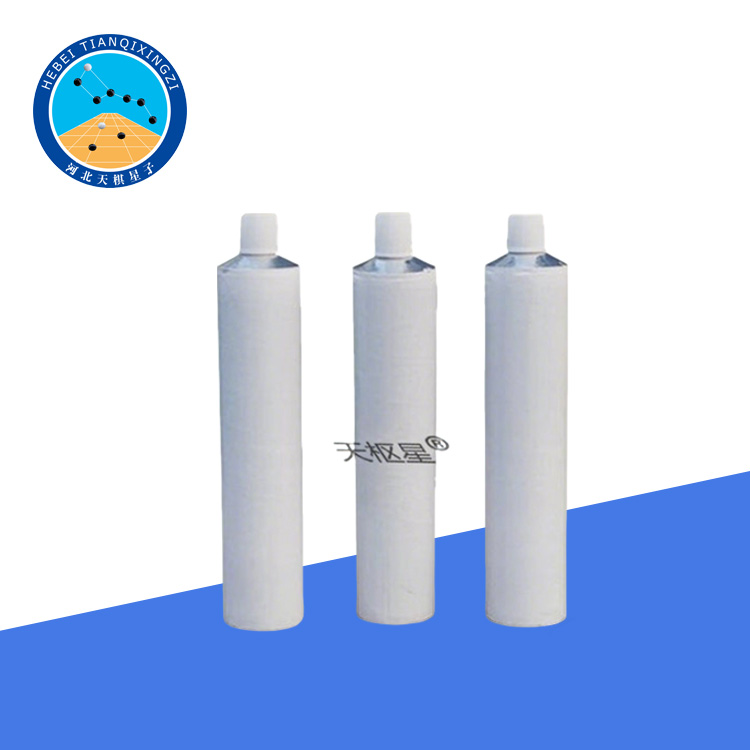
Asphalt Segregation Tube
Model:TD661-G
I. Product Introduction
The Asphalt Segregation Tube is an important testing instrument for detecting the storage stability of polymer-modified asphalt. This product is designed and manufactured strictly according to the requirements of the Ministry of Transport industry standard "Test Procedure for Segregation of Polymer-Modified Asphalt (JTJ0661-2000)" and references the ASTM D7173 international standard. It can accurately assess whether segregation occurs in modified asphalt during high-temperature storage.
This product is made of high-quality aluminum alloy, replacing the traditional glass test tube structure. This fundamentally avoids problems such as the fragility of glass, the need for release agents, and the contamination of the sample with glass fragments, effectively improving the safety of the test and the accuracy and repeatability of the data.
II. Technical Parameters
Specifications: Diameter 25 mm
Length: Approx. 140 mm
Structure: Single-end sealed
Material: High-strength aluminum alloy
Application: Segregation test of polymer-modified asphalt
III. Application Method
Specific operations should be performed according to the "Test Procedure for Segregation of Polymer-Modified Asphalt (JTJ0661-2000)". The basic steps are as follows:
Heat the asphalt sample until completely melted and stir evenly;
Pour the sample into the segregation tube, keeping it vertical;
Let it stand for a certain period of time under specified temperature conditions (usually a high-temperature constant-temperature environment);
After the test, cool the sample until solidified (freezing may be necessary);
Cut the sample into three equal sections along its length (upper, middle, and lower);
Place the upper and lower sections in sample dishes respectively, and heat them to melt under constant-temperature conditions;
Use tweezers to peel off the aluminum tube outer shell;
Perform performance tests (such as softening point tests) on samples from different parts, and compare the differences to determine the degree of segregation.
IV. Application Areas
Asphalt and modified asphalt production enterprises;
Highway and traffic engineering testing units;
University and research institution laboratories;
Third-party quality testing agencies.
