


 Spanish
 Russian
 Arabic

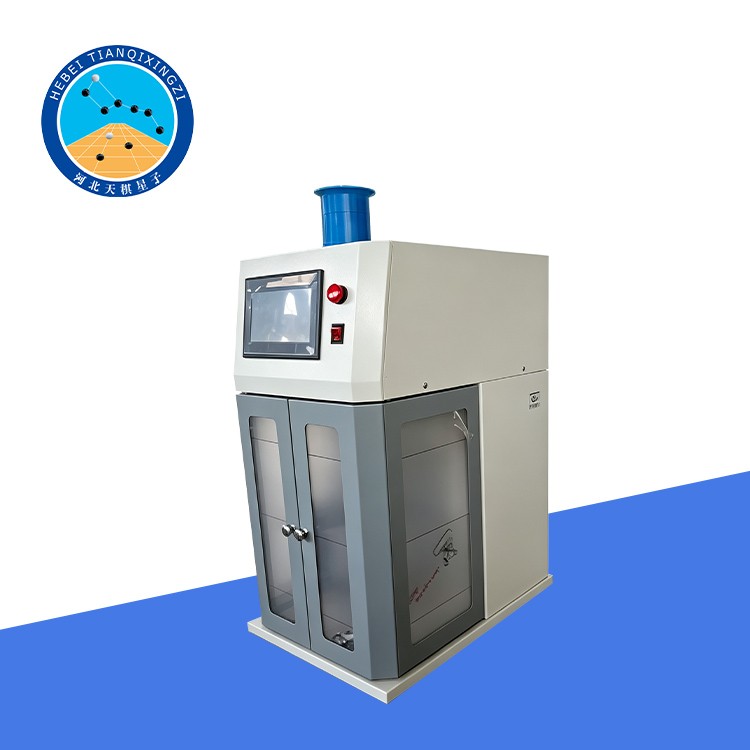

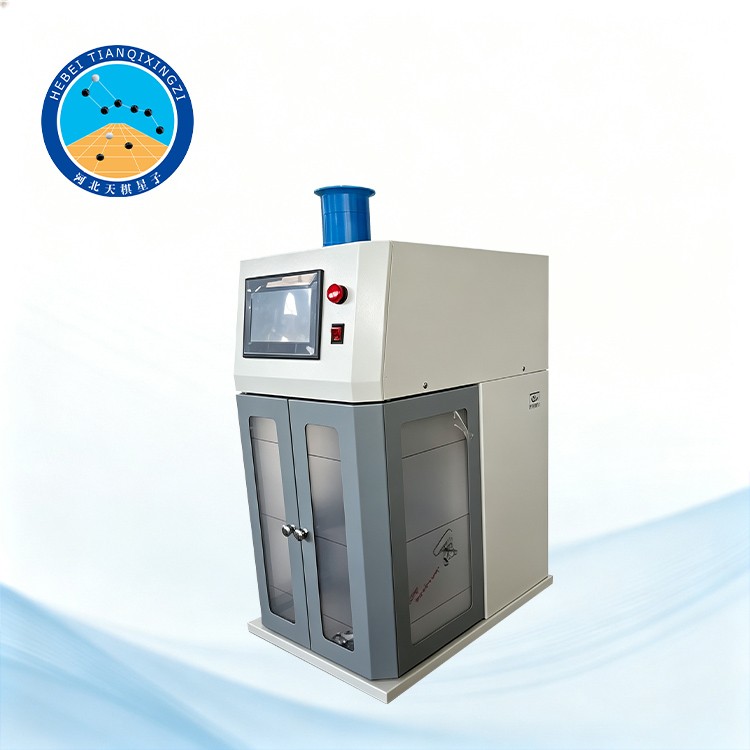
Products Description
The Laboratory Planetary Cement Mortar Mixer is suitable for mixing cement mortars and cement pastes and can also be used for cement testing in accordance with relevant American and Japanese standards, depending on the specific test requirements.
Laboratory Planetary Cement Mortar Mixer
Model: TDJ-20H
I. Product Introduction
1. Instrument Function
The Laboratory Planetary Cement Mortar Mixer complies with the technical requirements of JC/T 681-2022, Planetary Cement Mortar Mixer and is primarily used for mechanical mixing during the preparation of cement mortar specimens.The equipment is suitable for cement manufacturing plants, building material laboratories, research institutions, engineering quality inspection facilities, and university laboratories. It can meet the mixing requirements for cement mortar specimen preparation, quality control, and related cement performance testing.
Reference Standards: ASTM C305-20, ISO 679:2009, JIS R 5201
2. Main Components
Main Unit × 1
Controller × 1
Stainless Steel Mixing Bowl × 1
Gap Measuring Gauge × 1
II. Operating Conditions
1. Ambient Temperature: 0–40°C
2. Relative Humidity: ≤90% RH
3. Operating Voltage: 220 V ±10%, 50 Hz
4. Safety Performance: Complies with the Chinese national standard GB/T 5226.1-2019
III. Technical Specifications
1. Mixing Bowl Mounting: Magnetic mounting
2. Mixing Blade Speed:
Low Speed: Rotation: 140 ± 2 rpm; Revolution: 62 ± 2 rpm
High Speed: Rotation: 285 ± 3 rpm; Revolution: 125 rpm
3. Working Clearance: 3 ± 1 mm between the mixing blade and the mixing bowl
4. Control Modes: Automatic mode and manual mode
5. Mixing Blade Width: Approximately 135 mm
6. Mixing Bowl: Capacity ≥5 L; stainless steel construction; wall thickness ≥3 mm; depth approximately 180 mm; internal diameter approximately 202 mm
7. Servo Motor Power: ≥0.75 kW, soft transmission
8. Mixing Blade Connection: Quick-release connection
9. Overall Dimensions: Approximately 400 × 560 × 900 mm
10. Net Weight: ≥60 kg
IV. Working Principle
Close the protective door and switch on the power. The mixing bowl automatically rises under the control of the system. Once the mixing bowl reaches the preset position, the servo motor starts to rotate.
The gear reducer reduces the speed of the servo motor, and the power is transmitted to the main shaft through the transmission mechanism consisting of two pulleys and a synchronous belt. The main shaft drives the eccentric seat to rotate synchronously, causing the mixing blade mounted on the eccentric seat to perform a revolution around the mixing bowl.
At the same time, the mixing blade performs a rotation around its own axis through the planetary gear at the upper end of the blade shaft, which meshes with the fixed internal gear.
After sand is added to the sand container, the sand can be added automatically at the preset time or manually, according to the selected operating mode. After mixing is completed, the mixing bowl automatically descends to the zero position.
V. Lifting and Installation
1. Lifting Device: The machine is equipped with a lifting device.
2. Installation: Place the main unit on a level concrete platform and install a 5–8 mm thick rubber pad underneath the base.
3. Level Adjustment: The machine is equipped with leveling feet before shipment. If the height of the feet is not uniform, rotate the leveling-foot nuts to make appropriate adjustments.
VI. Adjustment and Maintenance
1. Adjustment
Before shipment, the working clearance between the mixing blade and the mixing bowl is adjusted to 3 ± 1 mm.
2. Maintenance
1. Cleaning: Keep the working area clean. After each use, remove any residual mortar from the mixing blade and the inside and outside surfaces of the mixing bowl. Clean off any mortar and dirt that has fallen or splashed onto the machine. Wipe the machine dry and cover it with the protective cover to prevent dust accumulation.
2. Abnormal Noise: If a metal-to-metal impact noise occurs while the machine is operating, first check whether the clearance between the mixing blade and the mixing bowl is correct.
3. Handling of Mixing Bowl: Handle the mixing bowl carefully during use. Do not subject it to impacts or collisions to prevent deformation.
4. Electrical Insulation: Regularly check the electrical insulation condition of the machine.
