


 Spanish
 Russian
 Arabic


Products Description
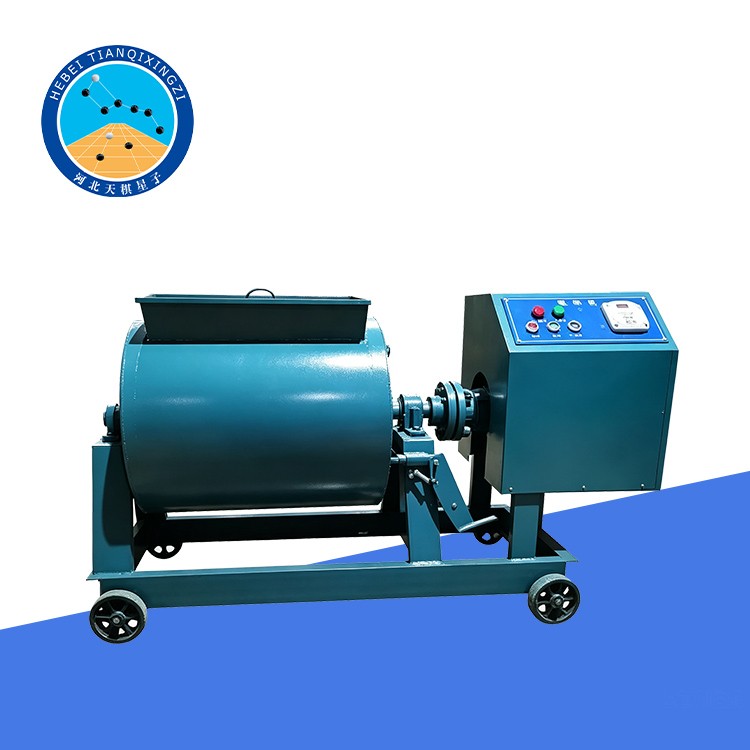
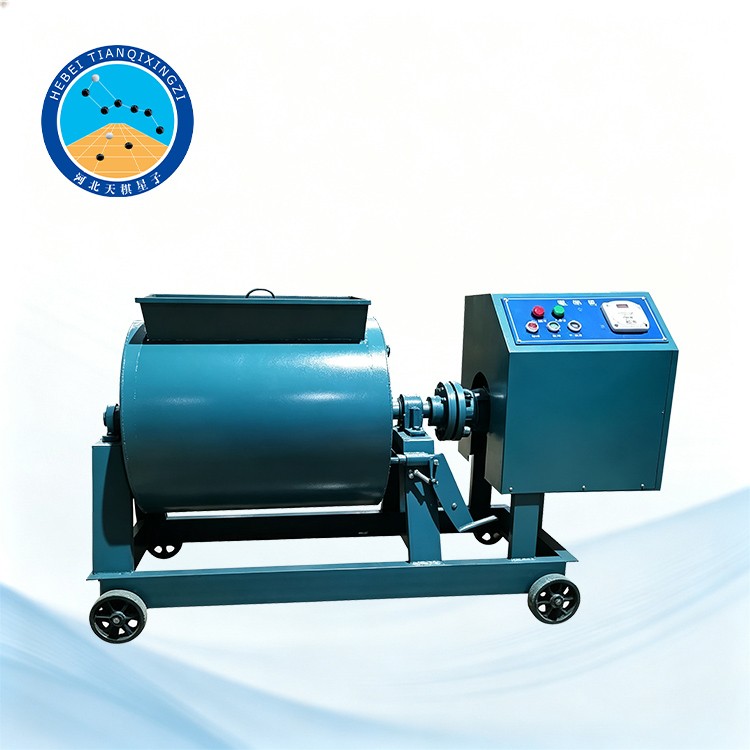
The Single Horizontal Shaft Forced-Action Concrete Mixer is suitable for laboratory and field applications involving the preparation of concrete and other construction materials. It is widely used in construction material testing laboratories, research institutes, universities, concrete component plants, and construction companies.
Single Horizontal Shaft Forced-Action Concrete Mixer
Model: TDJG224-30
I. Product Introduction
The Single Horizontal Shaft Forced-Action Concrete Mixer is designed for use in construction research institutes, testing centers, colleges and universities, concrete component manufacturers, and construction company laboratories. It is mainly used for mixing ordinary concrete and lightweight concrete, and can also be used for mixing various materials in laboratories across other industries. The mixer features uniform mixing, easy operation, and convenient mobility. It is suitable for laboratories in construction research institutions, construction companies, and concrete component manufacturing facilities, and is particularly suitable for on-site preparation of low-strength concrete.
II. Operating Instructions
1. Pre-Start Inspection
Check whether there is any contact or interference between the rotating parts and the mixing drum. If any interference is found, adjust the components before operation.
2. Add Lubricating Oil
Fill the gearbox with lubricating oil before use. Lubricating oil should also be added to the unloading worm gear and sliding bearings.
3. Clean the Mixing Drum
Remove any residual or foreign materials from the mixing drum. Lock the drum positioning device securely, then start the machine.
4. Start the Machine
Press the start button. The main shaft drives the mixing blades to rotate. The machine will automatically stop when the preset mixing time is reached.
5. Unloading
After stopping the machine, turn the handwheel to rotate the mixing drum to the discharge position. Start the machine to rotate the main shaft and discharge the material.
6. Cleaning
Clean the mixing drum after use. Add water into the drum and run the main shaft to remove any remaining material. Alternatively, sand can be used for cleaning.
III. Main Technical Parameters
1. Charging Capacity: 96 L
2. Discharge Capacity: 30–60 L; maximum discharge capacity: 66 L
3. Mixing Time: ≤45 s
4. Mixing Shaft Speed: 45 rpm
5. Power Supply: 380 V
6. Motor Power: 2.2 kW
7. Overall Dimensions: 1520 × 530 × 1060 mm
8. Weight: Approx. 320 kg
IV. Key Features
1. Forced-Action Mixing: The horizontal single shaft and mixing blades provide efficient forced mixing for thorough and uniform material blending.
2. Uniform Mixing: The mixing system is designed to achieve consistent mixing within a short operating time.
3. Easy Operation: The simple control and discharge mechanism make the mixer convenient for laboratory and on-site use.
4. Convenient Discharge: The mixing drum can be rotated to the discharge position using the handwheel, allowing the mixed material to be discharged efficiently.
5. Sturdy Construction: The robust structure is suitable for frequent use in construction material testing laboratories.
6. Easy Maintenance: The accessible mixing drum and mechanical components facilitate routine cleaning, lubrication, and maintenance.
V. Suitable Materials
The mixer can be used for mixing various construction materials, including:
Ordinary concrete;
Lightweight concrete;
Low-strength concrete;
Cement-based mixtures;
Other laboratory materials requiring forced-action mixing.
VI. Product Advantages
The TDJG224-30 combines forced-action mixing, convenient operation, and practical discharge in a compact laboratory mixing system. Its 96 L charging capacity and maximum 66 L discharge capacity make it suitable for preparing concrete mixtures for laboratory testing and construction material research.
The mixer is designed for users who require reliable and repeatable mixing performance during concrete material preparation. Its relatively compact structure also makes it convenient for laboratory and field applications where space and mobility are important considerations.
