


 Spanish
 Russian
 Arabic


Products Description
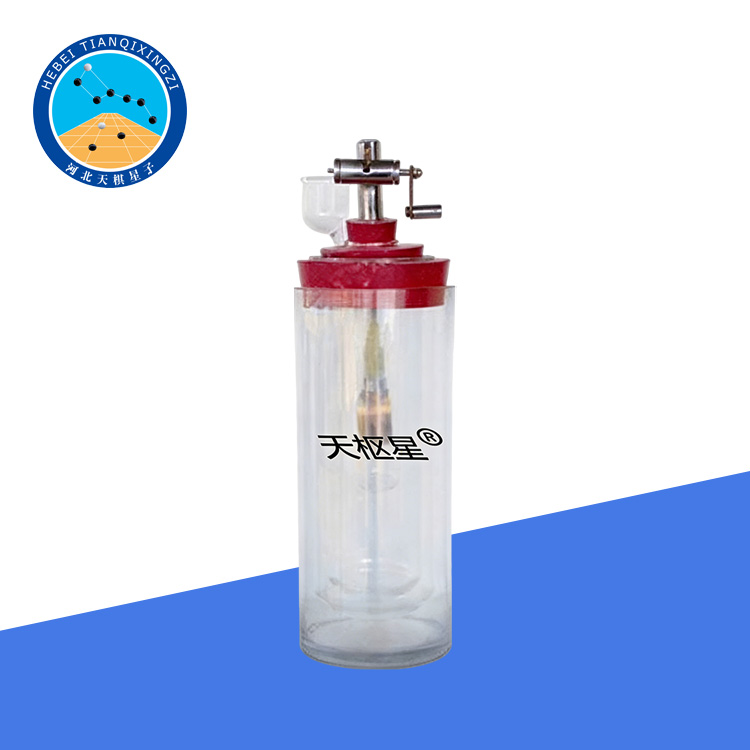
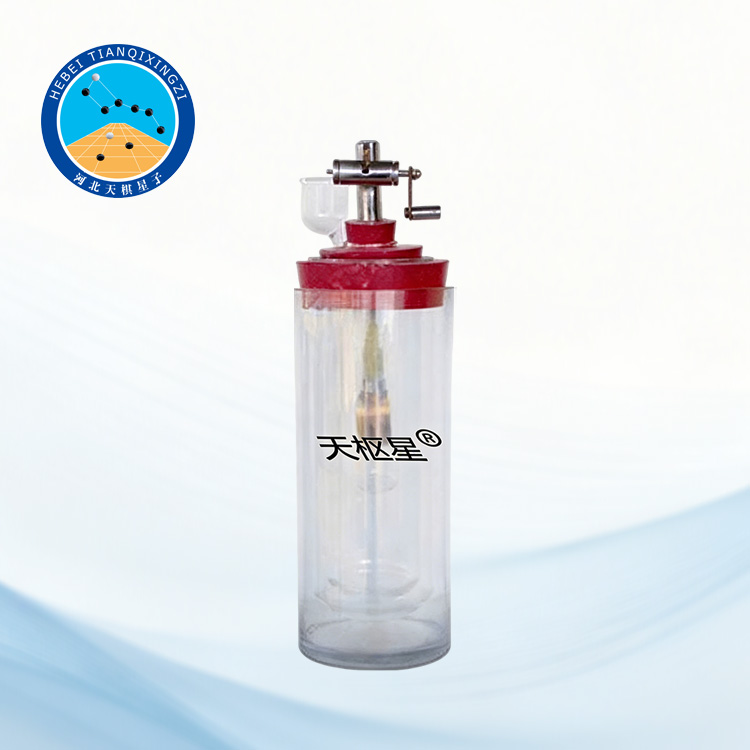
The Frascasse brittle point tester is used to determine the Frascasse brittle point temperature of asphalt materials under low-temperature conditions to evaluate the low-temperature crack resistance and brittleness characteristics of asphalt. This equipment is designed and manufactured according to relevant testing standards and is suitable for road engineering, research institutions, and quality testing departments.
Fraass Asphalt Brittleness Point Tester
Model:TD613-1
I. Product Introduction
The instrument is used to determine the Fraass breaking point temperature of various asphalt materials under low-temperature conditions, and is suitable for evaluating the low-temperature cracking resistance of asphalt. It is designed and manufactured in accordance with the T 0613-2025 test method of JTG 3410-2025, and also references the international standard EN 12593.
By repeatedly bending a metal specimen coated with asphalt at low temperatures, the temperature at which cracks first appear is determined, thereby accurately characterizing the low-temperature brittleness of asphalt materials. It is an essential testing instrument for highway engineering, scientific research, and quality control applications.
II. Technical Parameters:
1. Temperature Measurement Range: -30-100℃
2. Temperature Measurement Accuracy: 1℃;
3. Steel Sheet Dimensions: 41×20×0.15mm;
4. Maximum Clamping Distance: 44mm;
5. Step height difference: 3.5mm
6. Dimensions: 400x200x200mm
7. Weight: 10KG
8. Ambient temperature: 5~40℃
9. Ambient humidity: ≤85%
III. Test Procedure:
1. Clean the asphalt brittleness tester to make it transparent so as to observe the changes in the sample during the test.
2. Heat the asphalt sample to melt it, dehydrate it, and after cooling, weigh an asphalt sample equivalent to 0.4 cubic centimeters. Place it in an oven and heat it to melt the asphalt and coat it evenly onto a metal sheet with a thickness of 0.5 mm. Then allow the asphalt-coated steel sheet to cool at room temperature for 1 hour.
3. Take the large rubber stopper of the SYD-0613 new standard asphalt brittleness tester, and place an appropriate amount of solid carbon dioxide and ethanol mixture (or acetone) into the insulated cylinder, reassembling it as before.
4. Remove the large rubber stopper of the SYD-0613 new standard asphalt brittleness tester (the integral device fixed to the stopper). Carefully insert the steel plate coated with asphalt between the upper and lower clamps of the instrument.
5. Adjust the cooling rate inside the thermos flask using a vacuum pump to decrease the temperature by 1°C per minute.
6. When the temperature drops to near the expected breaking point (approximately °C), begin to operate the instrument handle. The swinging speed should be controlled at about 5 cycles per minute. During operation, the slider moves from the * step to the second step (with a height difference of 3.5 mm), causing the steel specimen to bend into an arch shape. Then, swing the handle back at the same speed to return the slider to its original position ( step), allowing the steel specimen to straighten. Repeat the above procedure for every 1°C decrease in temperature.
7. The temperature at which cracks appear in the specimen is the brittle point of the asphalt sample.
IV. Precautions:
Do not bump the instrument during the experiment. Handle with care. After the experiment, wipe all parts of the instrument clean and place it in the instrument case to prevent glass breakage.
The instrument should be used and supervised by qualified personnel. Operators should undergo professional training or carefully read the instruction manual to familiarize themselves with the instrument's operating procedures before starting work.
